Fuel Types and Running Costs
Range Cooker Running Costs: £76 a Year, or £1,954

By the Hill & May team
Updated 2026
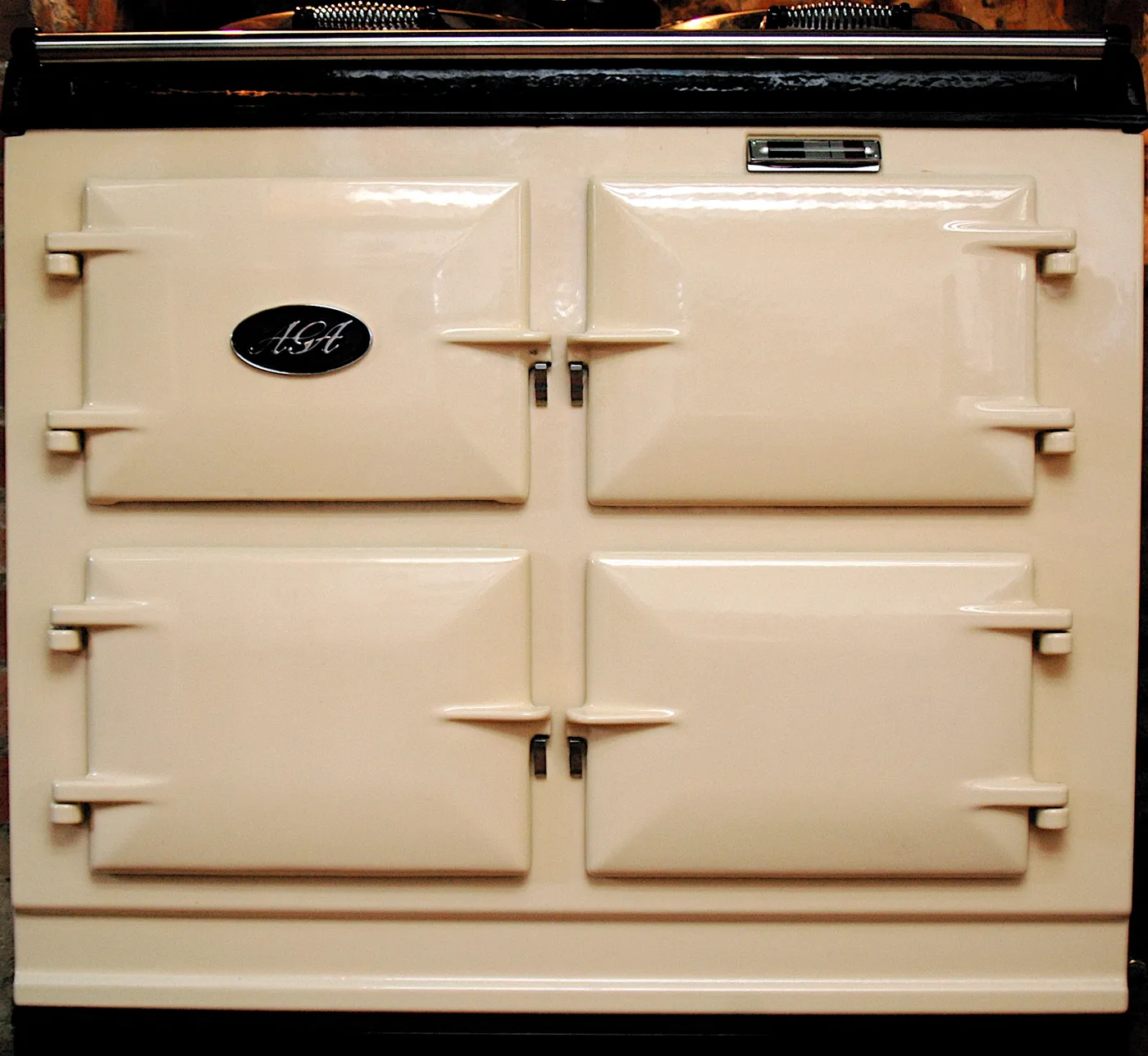
Range cooker running costs split into two completely different conversations, and most buying advice muddles them. A conventional 110cm range cooker, gas, electric, induction or dual fuel, costs somewhere between £76 and £130 a year to run. A cast iron heat-storage cooker that is on all the time costs between £1,026 and £1,954. That is not a difference of degree. It is a different category of purchase, and no amount of careful fuel comparison closes a gap that size.
So this page does both jobs. First the conventional cookers, where the fuel choice makes a modest difference and one hidden cost can reverse the answer entirely. Then the always-on cookers, using each manufacturer’s own tested figures.
The prices everything below is calculated at
All figures use the Ofgem price cap for 1 October to 31 December 2026, direct debit, averaged across England, Scotland and Wales, published here:
| Unit rate | Standing charge | |
|---|---|---|
| Electricity | 26.32p per kWh | 54.83p a day (£200 a year) |
| Gas | 7.97p per kWh | 29.68p a day (£108 a year) |
Two things about that table that matter more than the numbers themselves.
Electricity is currently VAT-free. There is no VAT on domestic electricity from 1 October 2026 to 31 March 2027. Gas prices include VAT at 5 per cent. The 26.32p is therefore artificially flattering and will move when the VAT holiday ends in the spring. Any running-cost comparison you read that was written before October is using a higher electricity rate.
Gas is still 3.3 times cheaper per unit. That ratio drives almost everything below, and it survives the fact that gas appliances waste far more of what they burn.
Conventional range cookers: the oven
Rangemaster publishes the declared energy-label consumption for its Classic 110cm, and the two figures are a useful stand-in for the whole market: the gas ovens use 1.61 kWh per test cycle, the electric ovens in the ceramic, dual fuel and induction models use 0.83 kWh.
A gas oven consumes roughly twice the energy of an electric one to do the same job, because a burner sends a good deal of its heat up the flue. It still costs less to run, because the unit is so much cheaper.
At five oven cycles a week, 260 a year:
| Oven type | Energy a year | Cost a year |
|---|---|---|
| Electric (fan, ceramic, dual fuel, induction models) | 216 kWh | £56.80 |
| Gas | 419 kWh | £33.36 |
About £23 a year between them. If you cook far more than five oven sessions a week, scale it up, but the absolute difference stays small.
Conventional range cookers: the hob
Hobs have no standardised label figure, so this is modelled rather than declared. Take a common task, bringing two litres of water from cold tap temperature to the boil, which needs about 0.20 kWh of heat in the pan. What you pay depends on how much of the fuel reaches the water:
- Induction, roughly 85 per cent of the energy into the pan: 0.23 kWh drawn, about 6.1p.
- Gas, roughly 40 per cent, with the rest going round the sides of the pan: 0.49 kWh burned, about 3.9p.
- Ceramic or solid electric plate sits between induction and gas on efficiency but pays the electricity unit rate, so it is the most expensive per boil of the three.
Induction is by a wide margin the most efficient hob and still the more expensive to run, which is the single most counter-intuitive fact in this whole subject. Efficiency and cost are not the same axis when one fuel is a third of the price of the other. There is more on the trade-offs in induction vs gas range cookers.
Run that boil three times a day, every day, and the hob costs about £67 a year on induction and about £43 on gas.
The annual total, and the cost that reverses it
Oven plus hob, on those assumptions:
| Range cooker | Oven | Hob | Total a year |
|---|---|---|---|
| All gas | £33 | £43 | £76 |
| Dual fuel (electric oven, gas hob) | £57 | £43 | £100 |
| Electric or induction | £57 | £67 | £124 |
Gas wins by about £48 a year. Now the part almost nobody accounts for.
The gas standing charge is £108 a year, whether you burn anything or not. If your range cooker is the only gas appliance in the house, because you heat with a heat pump, storage heaters, oil or biomass, then keeping a gas connection alive for the cooker costs you £108 to save £48. You are £60 a year worse off, before the annual safety check on the appliance.
The honest rule is this: gas is cheaper to cook on only if you already have gas central heating. If you do not, an induction range cooker is the cheaper option in total cost, not just the cleaner one. If you are off mains gas and considering bottled or bulk gas instead, our LPG cooker guide covers how that changes the arithmetic, and dual fuel vs electric covers the halfway house.
Oil, for houses off the gas grid
Kerosene averaged 94.1p a litre across the UK in September 2026, on the back of firm crude and the start of autumn demand. Kerosene carries roughly 10.35 kWh per litre, which puts the raw fuel at about 9.1p per kWh, a shade above mains gas at 7.97p.
That looks competitive, and on fuel alone it is. Two things spoil it. There is no standing charge, which helps, but you buy in bulk and pay for a whole tank at once. And an oil-fired heat-storage cooker burns continuously with flue losses, so the delivered cooking energy per litre is well below the headline. Oil makes sense when it is already heating the house, not as a cooking fuel chosen on its own.
Heat-storage cookers: the real numbers
This is where the money is, and both manufacturers publish tested figures, which is to their credit.
AGA, on its own running-costs page, gives weekly consumption for each model. Converted to the October 2026 electricity rate of 26.32p:
| AGA model | Setting | Per week | Per year |
|---|---|---|---|
| Classic (R7 Series) | three ovens, economy | 105 kWh | £1,437 |
| Classic (R7 Series) | three ovens, full temperature | 142.8 kWh | £1,954 |
| Mini (60cm) | both cast iron ovens, continuous | 75 kWh | £1,026 |
For the Signature (eR7 Series), AGA quotes the draw per component rather than per week: 0.6 kW for the hotplate on full, 0.45 kW for the roasting oven alone. That is a cooker designed to be switched on for a session rather than left running, and it is the reason AGA built the electric series in the first place.
Everhot publishes weekly figures tested by Everhot Ltd on the standard ECO setting, with all doors and lids closed, no cooking included, at a 290°C hotplate and 220°C ovens. At 26.32p:
| Everhot models | Per week | Per year |
|---|---|---|
| 60, 90i, 100i | 75 kWh | £1,026 |
| 90+, 100+, 110i, 110+, 120i, 150i | 90 kWh | £1,232 |
| 120+, 150+, 160i | 140 kWh | £1,916 |
Read those two tables side by side and the picture is clearer than the marketing on either side suggests. A 60cm AGA Mini and a small Everhot land on exactly the same 75 kWh a week. The gap opens at the larger sizes, where an Everhot 110 at 90 kWh a week undercuts an AGA Classic on economy at 105, and undercuts it heavily against the 142.8 of a Classic run at full temperature. Insulation is doing that work, not magic.
Three caveats before you use these figures on your own kitchen:
- The tests exclude cooking. They measure the cooker holding temperature. Real use adds to them.
- They assume the cooker is on all year. Households that shut a heat-storage cooker down for the summer cut a meaningful slice off the annual total, at the cost of a day or two of reheating each time.
- Some of that energy heats the room. In a cold kitchen in January it is displacing your central heating. In July it is pure waste, and it is why summer shutdown is common.
Our dedicated page on AGA running costs per year goes further into the model-by-model detail and the economy-setting question.
What this means if you are choosing now
- Cooking cost should not decide a conventional range cooker. The whole spread from cheapest to dearest is under £50 a year. Buy on the hob you want to cook on and the oven configuration you need.
- Check whether you have another gas appliance before you let a gas price per kWh persuade you. On an all-electric house the standing charge eats the saving twice over.
- A heat-storage cooker is a heating and lifestyle decision, not a cooking one. At £1,000 to £1,950 a year it needs to be earning its place as warmth, an airing rail and a kitchen focal point, because on cooking alone it costs ten to twenty times what a conventional range costs.
- Prices move every quarter. The cap is reviewed four times a year and the electricity VAT holiday ends on 31 March 2027, so treat every annual figure here as accurate for the current quarter rather than fixed.
Frequently asked questions
How much does a range cooker cost to run per year in the UK? A conventional 110cm range cooker costs roughly £76 to £124 a year at the October 2026 price cap, depending on fuel, for around five oven sessions a week and normal hob use. An always-on heat-storage cooker such as an AGA or Everhot costs between £1,026 and £1,954 a year on the manufacturers’ own tested figures.
Is a gas or electric range cooker cheaper to run? Gas, by about £48 a year, because gas costs 7.97p per kWh against 26.32p for electricity even though gas appliances waste more of what they burn. That saving disappears if the cooker is your only gas appliance, because the £108 gas standing charge is more than the saving.
Are induction range cookers expensive to run? They are the most efficient hob you can buy and still cost more to run than gas, at roughly £124 a year against £76, purely because of the unit price of electricity. Against a ceramic or solid-plate electric range cooker, induction is cheaper.
Is an Everhot cheaper to run than an AGA? At the larger sizes, yes, on the published figures. An Everhot 110i is tested at 90 kWh a week against 105 kWh for an AGA Classic on the economy setting and 142.8 kWh at full temperature. At the smallest sizes they are level, with a 60cm AGA Mini and an Everhot 60 both at 75 kWh a week.
Does turning a heat-storage cooker off in summer save much? Yes. These figures assume the cooker runs all year, so four months off is roughly a third of the annual cost. The trade-off is that it takes a day or more to bring a cast iron cooker back up to temperature, and you need a second means of cooking in the meantime.
Do these costs include the standing charge? No. The oven and hob totals are consumption only. Standing charges of £200 a year for electricity and £108 for gas are paid regardless of whether you own a range cooker, which is why they sit separately, and why they only change the decision when a cooker is the sole reason you hold a connection.