Fuel Types and Running Costs
Dual Fuel vs Electric Range Cooker: The Hob Is the Choice

By the Hill & May team
Updated 2026
The dual fuel vs electric range cooker question is smaller than it looks, and almost every comparison page makes it bigger than it is. A dual fuel range cooker has a gas hob and electric ovens. An electric range cooker has an electric hob and electric ovens. The ovens are the same technology in both, so the baking, the roasting and the running cost of everything below the worktop are identical. The entire decision is the top surface, plus what it costs to get the thing installed.
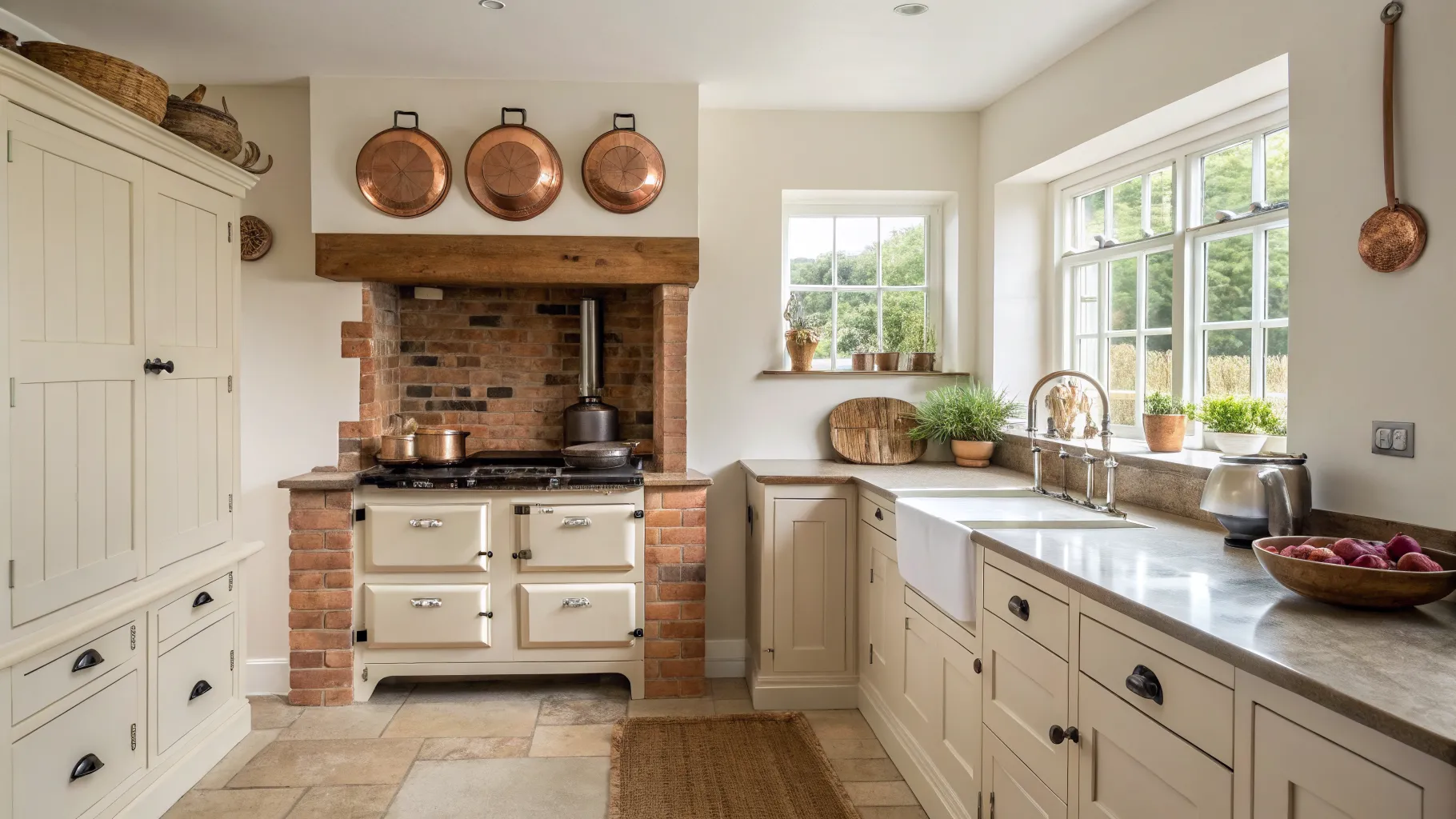
Rangemaster sells the same Classic Deluxe 110 as a dual fuel model with gas burners and as an induction model with a Series 2 hob. Same cabinet, same ovens, same look in your kitchen. You are picking a hob, not a cooker.
The running cost, worked out properly
This is where the internet goes vague, so here are the actual numbers for this winter.
Under the Ofgem price cap for 1 October to 31 December 2026, a standard variable direct debit customer pays an average of 26.32p per kWh for electricity and 7.97p per kWh for gas. There is also a change worth knowing about: Ofgem confirms there is no VAT on electricity from 1 October 2026 to 31 March 2027, while gas still carries 5% VAT. That has narrowed the gap, though electricity is still around 3.3 times the unit price of gas.
Unit price is not the answer on its own, because hobs differ wildly in how much of that energy reaches the pan. Research by the Electric Power Research Institute put induction at up to 90% efficient, conventional radiant electric at around 74%, and gas at around 40%, since most of a gas flame heats the air around the pan rather than the pan itself.
Put the two together and you get the number that matters: what it costs to deliver 1 kWh of heat into your food.
| Hob type | Rough efficiency | Energy needed for 1 kWh of heat | Cost at Oct-Dec 2026 cap rates |
|---|---|---|---|
| Gas burners (dual fuel) | about 40% | 2.5 kWh of gas | about 20p |
| Induction (electric) | about 90% | 1.11 kWh of electricity | about 29p |
| Ceramic or radiant (electric) | about 74% | 1.35 kWh of electricity | about 36p |
So gas is still the cheaper hob to run, by roughly a third against induction and by nearly half against a ceramic hob. Induction closes most of the gap through efficiency but does not close all of it. Anyone telling you induction is cheaper to run than gas at current UK rates is quoting efficiency without the unit price.
Two caveats before you use that to decide. First, the sums assume a gas standing charge you are already paying. If the range cooker is the only gas appliance in the house, the gas standing charge of 29.68p a day, roughly £108 a year, wipes out the saving several times over. Second, hob use is a small share of a household’s energy. The difference across a year of normal cooking is tens of pounds, not hundreds, and it should not outrank how you actually want to cook.
Installation: the cost nobody budgets for
This is where the real money difference usually sits, and it runs opposite to what people expect.
Dual fuel needs a gas connection made by a Gas Safe registered engineer, plus a socket or supply for the electric ovens. If there is already a gas point behind the old cooker, that is a straightforward job. If there is not, running a new gas supply across a kitchen is disruptive and expensive.
All-electric range cookers at 90cm and above generally draw far more than a 13A plug can supply, so they want a dedicated cooker circuit on a 30A or 32A breaker with a cooker switch. Plenty of British kitchens have one left over from an old electric cooker. Plenty do not, and if yours does not, you are paying an electrician to run a new circuit from the consumer unit and possibly to upgrade the board. Check the rating on the cooker’s data plate and check what is behind your existing cooker before you order anything.
The pattern is simple. Whichever fuel your kitchen is already wired or piped for is the cheaper one to install, and that saving usually dwarfs the annual running cost difference.
How each one actually cooks
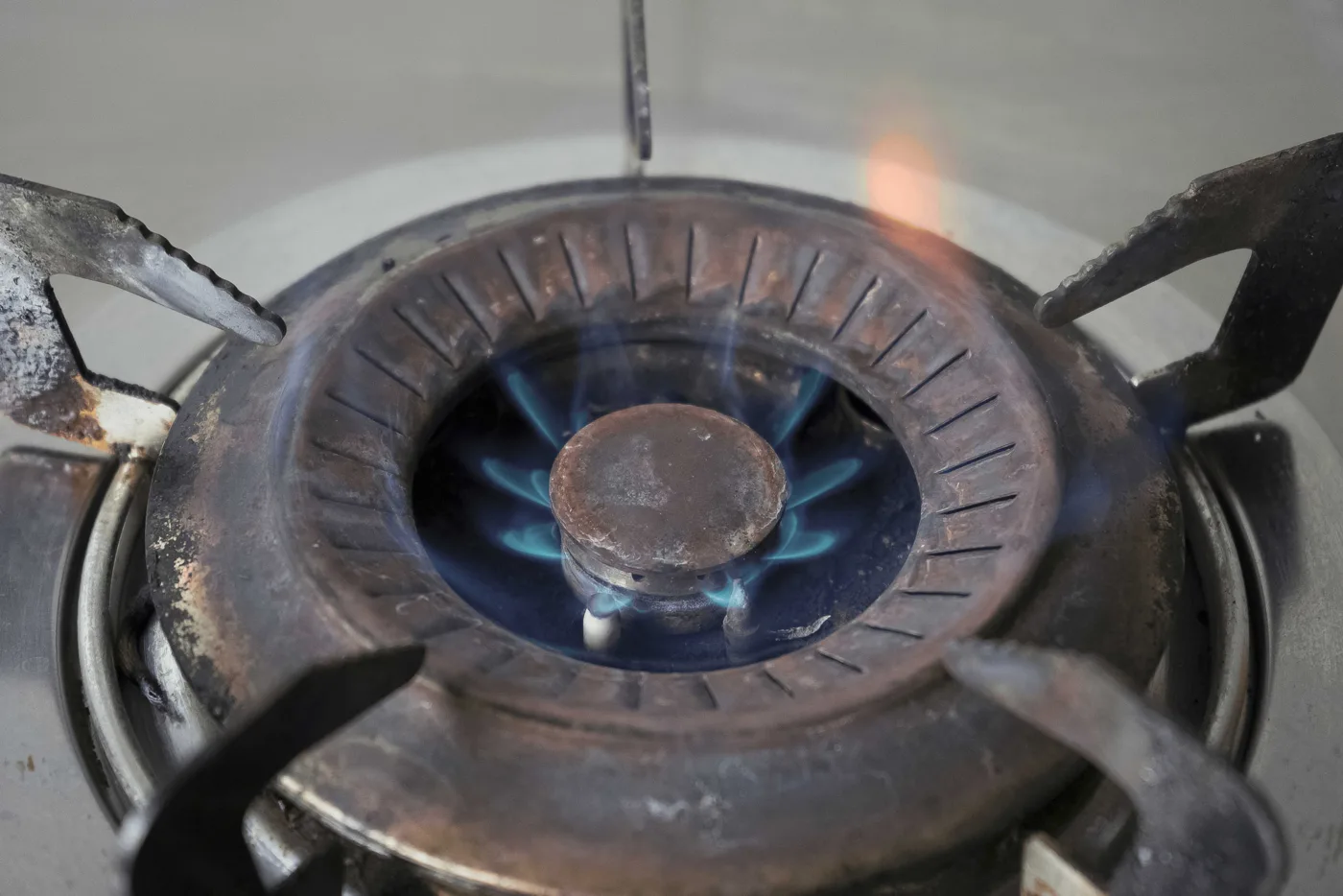
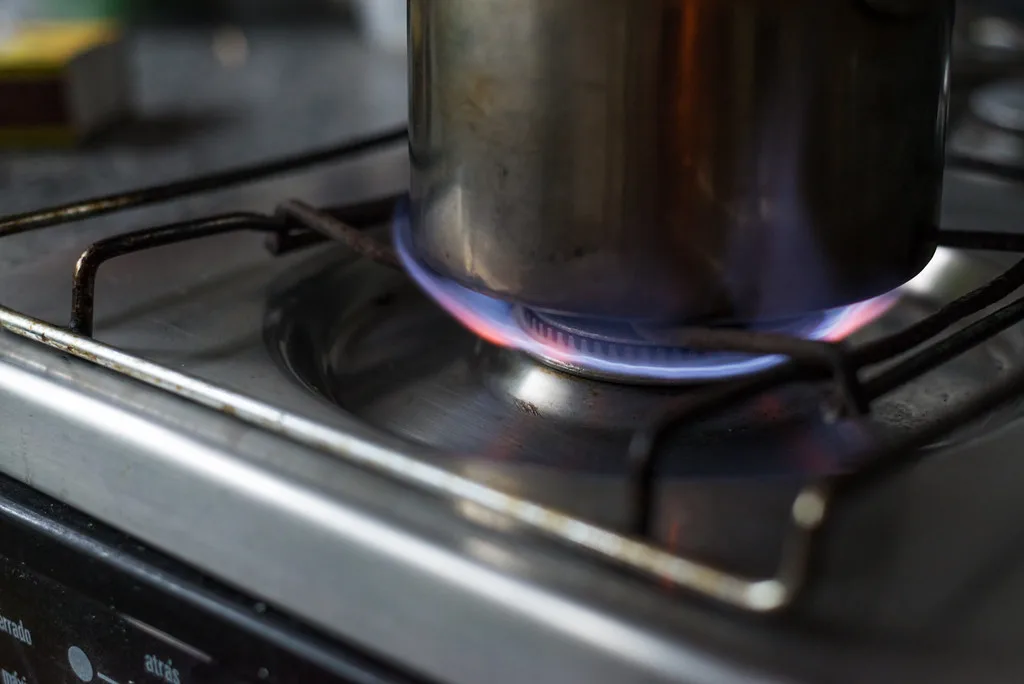
Gas hob, the dual fuel case. Instant response, visible feedback, and it works with any pan you own including old aluminium and thin-based ones. A wok cradle gives you genuine wok heat, which no flat hob replicates. You can char a pepper or a flatbread directly on the flame. In a power cut a gas burner can be lit with a match, which matters more in rural areas than most people realise, although the electric ovens will be out regardless.
Induction, the electric case. Faster than gas to boil, precise at low settings, and the flat surface wipes clean in seconds because there are no pan supports or burner caps to lift out and scrub. It runs cooler in the kitchen. The catches are real: pans must be magnetic, so test yours with a fridge magnet before you commit, and cheap induction hobs cycle their power on and off at low settings rather than genuinely modulating, which makes holding a proper simmer awkward. Our induction range cooker guide goes into which zone layouts avoid that.
Ceramic or radiant electric. The budget electric hob. Slow to respond, slow to cool, the most expensive of the three to run per unit of heat, and easy to scorch spills onto. If you are choosing electric, choose induction unless the budget genuinely will not stretch.
One more point that rarely gets made in buying guides: a gas hob burns fuel in the room, producing combustion products including nitrogen dioxide. An electric hob does not. If your kitchen extraction is a recirculating hood rather than one ducted outside, that is a reason to think about, and a reason to run the hood properly whichever you pick.
Which to choose
Choose dual fuel if:
- You already have a gas supply at the cooker position and other gas appliances in the house.
- You cook by eye, use a wok, or want flame control you can see.
- You keep a mixed set of pans, including non-magnetic ones you do not want to replace.
- You live somewhere with unreliable mains power.
Choose all-electric if:
- You have no gas supply, or gas is the only reason you would keep a gas standing charge.
- You already have a 32A cooker circuit behind the current cooker.
- You want the easiest possible surface to clean, or you have young children and would rather have no open flame.
- You are on a solar or battery tariff where cheap-rate electricity changes the arithmetic entirely.
Genuinely does not matter: oven performance, oven running cost, capacity, styling and colour options. Both configurations share the same electric ovens, and the mainstream 90cm, 100cm and 110cm models come in both. Read our range cooker buying guide for the decisions that do differ, like oven layout and cavity count, and best 110cm range cookers if you have the space for the larger size.
If you have no mains gas but still want burners, bottled gas is the third option and the one everyone forgets. See our LPG cooker guide for how conversion kits and regulators work.
What to check before you order
- Look behind your existing cooker. A gas bayonet point, a 13A socket, or a 32A cooker switch. That one look decides most of the cost.
- Read the data plate rating. An all-electric 110cm range cooker can pull well beyond what a standard socket supplies.
- Test your pans with a magnet if you are considering induction. If the magnet does not stick, the pan will not work.
- Check the gas standing charge. Keeping a gas connection for a hob alone is an expensive habit.
- Measure the extraction. A wide gas hob needs a hood that is at least as wide and ducted outside if you can manage it.
- Confirm the installer. Gas work must be done by a Gas Safe registered engineer; a new cooker circuit needs a qualified electrician and notification under Part P.
Frequently asked questions
Is a dual fuel or electric range cooker cheaper to run? Dual fuel, on the hob, by roughly a third against induction. At the Ofgem cap rates for October to December 2026, delivering a kWh of heat into a pan costs about 20p on gas burners against about 29p on induction and about 36p on ceramic. The ovens are electric in both types, so they cost exactly the same to run. Across a year the total difference is usually tens of pounds.
Is the oven different between dual fuel and electric range cookers? No. In both configurations the ovens are fan-assisted electric. That is what “dual fuel” means: gas above, electric below. If a review tells you the ovens bake differently between the two versions of the same model, it is describing the same oven twice.
Do I need a special electrical supply for an electric range cooker? Usually, yes. Most 90cm and larger all-electric range cookers need a dedicated cooker circuit, typically 30A or 32A, with a cooker control switch, rather than a 13A plug. Check the appliance data plate against what is already behind your cooker, and budget for an electrician if the circuit is not there.
Does induction really boil faster than gas? Yes. In Which? testing an induction hob boiled a large pan of water in about half the time of a gas hob, because far more of the energy goes into the pan rather than the air around it. That speed is the main day-to-day advantage of induction over gas.
Can I use my existing pans on an induction range cooker? Only the magnetic ones. Cast iron and most stainless steel work; aluminium, copper and glass do not unless they have a bonded magnetic base. Hold a fridge magnet to the bottom of each pan, and if it grips firmly the pan will work.
Which holds its value better in a kitchen? Neither fuel choice moves resale value much on its own, but a kitchen with no gas supply at all limits a future buyer to electric, while a kitchen wired for both keeps every option open. If you are renovating and the walls are already open, putting in both a gas point and a 32A cooker circuit is cheap insurance.