Aga Cookers
Can You Turn an Aga Off in Summer? Yes, Here's How

By the Hill & May team
Updated 2026
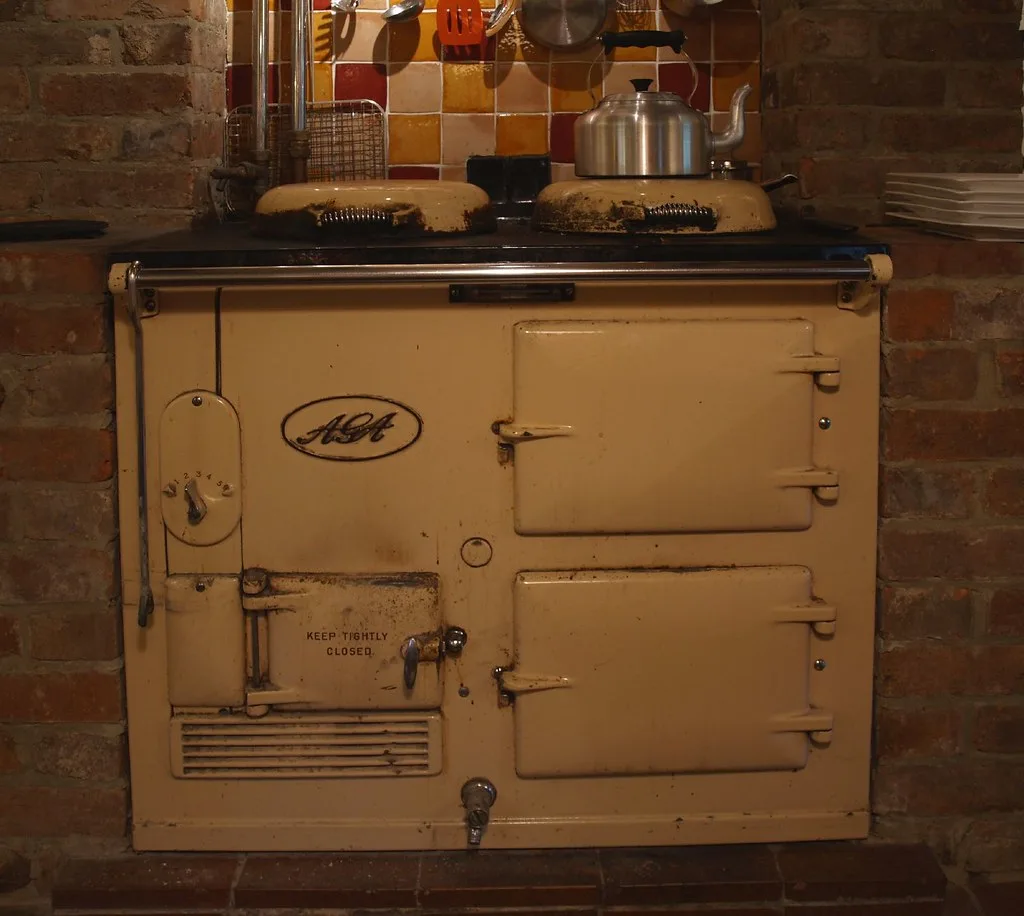
Can you turn an Aga off in summer? Yes. Every Aga can be switched off, and plenty of owners of traditional gas and oil cookers turn theirs off from late spring to early autumn because the kitchen is simply too hot. What differs from one Aga to the next is how much you save, how long it takes to come back, and what else goes off with it. On a current electric model you rarely need to switch the whole cooker off at all, because you can turn single ovens and hotplates off or drop them to Slumber.
This page sorts it out by type of Aga, then covers the jobs worth doing when it goes off and when it comes back on.
The short answer by type of Aga
| Your Aga | Can it go off for summer? | The better summer option |
|---|---|---|
| Traditional gas (always-on heat storage) | Yes | Off, or turned down on the burner control |
| Traditional oil | Yes | Off, timed with its six-monthly service |
| Older 13 amp electric heat storage | Yes, at the isolator | Off; it takes many hours to recharge |
| Dual Control and Total Control | Yes | Hotplates off, ovens low or off |
| Classic (current R7 style) | Yes | Hotplates off, ovens on Slumber or eco |
| Signature, eR7, eR3 | Yes | Leave off, switch on only the zone you need |
The older the cooker, the more there is to gain from switching off, because a traditional heat-storage Aga burns fuel around the clock whether you cook or not. On a current controllable model the saving from a full shutdown is small, because a zone you are not using is already costing nothing.
Traditional gas and oil Agas
These are the cookers the question is usually about. A traditional Aga stores heat in heavy cast iron and is designed to stay on all the time, and a large part of the heat it makes goes into the room and up the flue. In July that heat is unwanted, and you are paying for it.
Turning it off saves the most fuel of any option. Our Aga running costs page shows why: the always-on burn is most of the bill, and for oil owners every litre not burned in summer is a litre you do not have to buy at the heating oil price of the day.
Turning it down is the halfway house. Many owners turn the burner control down rather than off in summer. The kitchen is cooler and the bill smaller, but the ovens are cooler too, so cooking is slower and baking less reliable.
It is slow to come back. A traditional Aga does not reheat in minutes. The cast iron has to soak up its full charge of heat before the hotplates and ovens are at working temperature, and that takes many hours. Relight or switch on at least a day before you want to cook properly, and do not judge it until the heat indicator is back in its normal band.
It may take your hot water with it. Some older Agas also heat the domestic hot water through a built-in boiler. If yours does, switching off for summer means you need another way to heat water, usually an immersion heater in the cylinder. Check before you turn it off, not after the first cold shower.
Older electric heat-storage Agas
The 13 amp storage models charge up on cheap overnight electricity and release the heat through the day. They can be switched off at the isolator for the summer, which ends the overnight charge entirely. The catch is the same as with gas and oil: coming back from cold means a long recharge before the cooker is ready, so turn it back on well ahead of when you need it. If you are weighing up running it on a split tariff instead, read our page on Economy 7 rates for an electric Aga first.
Current electric Agas: Slumber and zone control
The cookers AGA sells today were designed around exactly this question.
- Signature, eR7 and eR3: every oven and hotplate switches on and off independently. In summer most owners leave the whole cooker off and switch on one zone to cook. The eR7i’s Slumber mode holds the top cast oven at about 120°C and the simmering oven at about 100°C, so the cooker is part-warm without running flat out. Our Aga eR7 review covers the warm-up times in detail.
- Classic: the three cast ovens are designed to stay on, but the hotplates switch off independently and the ovens have four settings, including eco and slumber. For summer, hotplates off and ovens on the lowest setting is the usual pattern.
AGA’s own figure for its current cast-iron cookers is around £25 to £30 a week, and it says switching the hotplates off when you are not using them can cut running costs by more than half compared with older always-on Agas. One eR7 owner we cite on our running costs page pays around £5 a week in summer, when the cooker is cold except at mealtimes. Our electric vs traditional Aga comparison sets out the full trade-off.
Before you switch off for the summer
- Book the service around it. AGA recommends servicing a traditional oil Aga every six months and a gas one every twelve; our Aga servicing intervals page has the full table by model. The switch-off point is a natural time for an engineer to clean the burner and check the flue, and if not then, have it serviced before you turn it back on. AGA says its cookers should be serviced by its appointed service provider or an AGA registered engineer; the contacts are on AGA’s service and repairs page.
- Give it the deep clean. A cold Aga is the only time you can get at the hotplate lid linings and oven doors properly. Our how to clean an Aga page goes part by part.
- Leave the cast iron dry. Bare cast-iron hotplates and ovens rust if moisture sits on them. Brush out the ovens, dry everything, and do not leave a damp cloth or a kettle on a cold hotplate.
- Sort the hot water if your Aga heats it, as above.
- Plan the cooking. Owners who switch off typically fall back on a companion electric oven, a plug-in hob, a microwave combination oven or the barbecue.
Turning it back on in autumn
- Give it time. Switch on or relight at least a day before you need it for a roast or a bake.
- Expect a smell. A cooker that has sat cold for months will often give off a smell for the first few hours as dust and residue burn off. Open a window.
- Oil cookers: check the tank has fuel and that the supply is open before relighting. Our page on oil tank rules for an oil-fired Aga covers the tank itself. If the burner will not light or runs smoky, stop and call an engineer.
- Gas cookers: relight following the instructions in your cooker’s own manual. If you smell gas, do not try to light it: turn off the supply and call the National Gas Emergency Service on 0800 111 999.
- Brush off any light rust on the hotplates with the wire brush supplied with the cooker; the heat will keep the surface dry once it is back on.
Is it worth it?
For a traditional oil or gas Aga, switching off for three or four months is the single biggest saving most owners can make, and many do it every year. The real cost is convenience: no instant warm kitchen, a second way to cook, and a day’s notice to bring it back. For a current electric Aga the question mostly disappears, because you can leave it off by default and switch on just the oven you need. If you are deciding whether an Aga suits the way you live at all, our is an Aga worth it page weighs it up, and the range cooker running cost calculator puts a number on your own usage.
Frequently asked questions
Can you turn an Aga off in summer? Yes. Traditional gas and oil Agas can be switched off for months at a time, and many owners do it every summer. Current electric models let you switch ovens and hotplates off individually, so you rarely need to turn the whole cooker off.
Does turning an Aga off damage it? A traditional Aga is built to cope with being switched off. The things to watch are rust on the bare cast iron if moisture is left on it, and a burner or flue that needs attention after a long idle spell, which is why switch-off and relight are good times for a service.
How long does an Aga take to heat up after being off? A traditional heat-storage Aga takes many hours to come back to full temperature, so switch on or relight at least a day ahead. Current electric models are much quicker: an eR7’s cast ovens take about an hour.
What is Slumber mode on an Aga? A low setting on current electric Agas that keeps the cooker partly warm while using much less energy. On the eR7i it holds the top cast oven at about 120°C and the simmering oven at about 100°C. The Classic has a slumber setting among its four oven settings.
Will turning my Aga off affect my hot water? Only if your Aga has a built-in boiler that heats the domestic hot water. If it does, you will need an immersion heater or another source while the Aga is off.
Should I turn my Aga down instead of off? Turning a traditional Aga down keeps the kitchen cooler and saves some fuel while leaving the ovens usable, though slower. Turning it off saves the most but means a long wait when you want it back.