Buying Guides
Shaker Kitchen Guide: Styles, Colours, Costs and Buying Tips

By the Hill & May team
Updated 2026
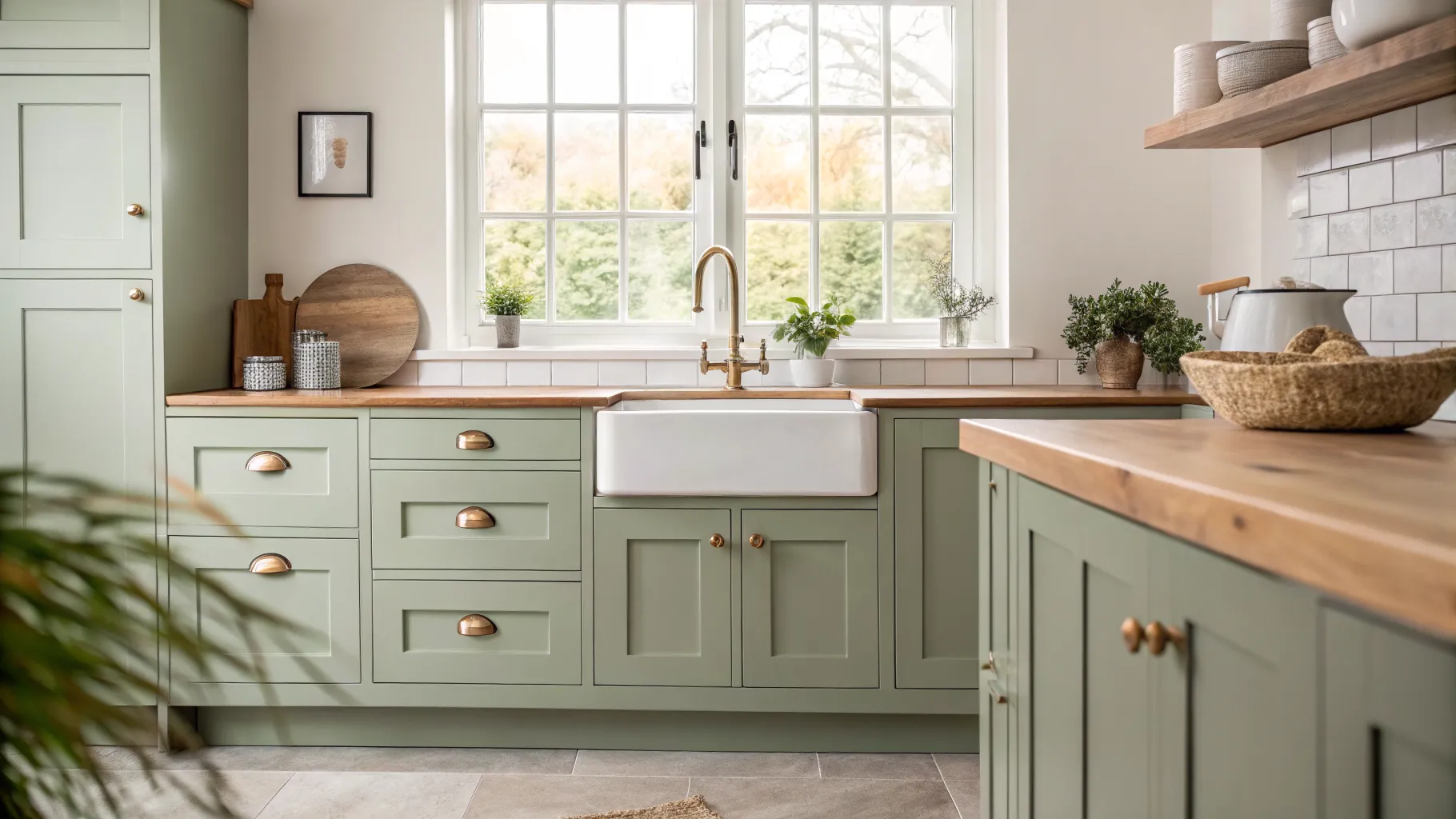
A shaker kitchen has been the default choice in British homes for decades, and in 2026 it still outsells almost everything else. The reason is simple: the style is quiet enough to sit in a period cottage or a new-build extension without looking out of place. This guide explains what actually defines a shaker kitchen, the choices that matter when you buy one, and where your money goes.
What is a shaker kitchen?
A shaker kitchen is defined by its door: a flat, recessed centre panel set inside a five-piece frame, with no heavy mouldings or carving. That restraint is the whole point. The look comes from balanced proportions and good materials rather than decoration, which is why it ages so well next to fashions that date quickly.
The style is named after the 18th-century Shaker communities, who stripped away ornament in favour of honest, functional craftsmanship. That philosophy is still what makes the design work in a modern kitchen: clean lines, practical layout, nothing for the sake of show.
Painted vs wood: what the doors are really made of
The biggest practical decision is what sits behind the paint. Most shaker kitchen doors on UK installations are painted MDF, or an MDF panel inside a timber frame, and there is a good reason fitters recommend it. MDF resists movement, takes paint evenly, and copes with kitchen humidity better than solid timber.
Solid wood doors look superb and can be repainted or sanded back over the years, but they demand commitment. Around sinks and other damp spots, poor maintenance leads to blackening and warping faster than people expect. Fully timber doors are usually a bespoke, higher-cost option through a joiner, while mainstream ranges from the big suppliers lean on the MDF-and-frame construction.
If you are choosing handles to match, the same restraint applies: simple knobs or bar handles in brass, chrome or matt black suit the style far better than anything ornate.
Shaker kitchen colours that work in 2026
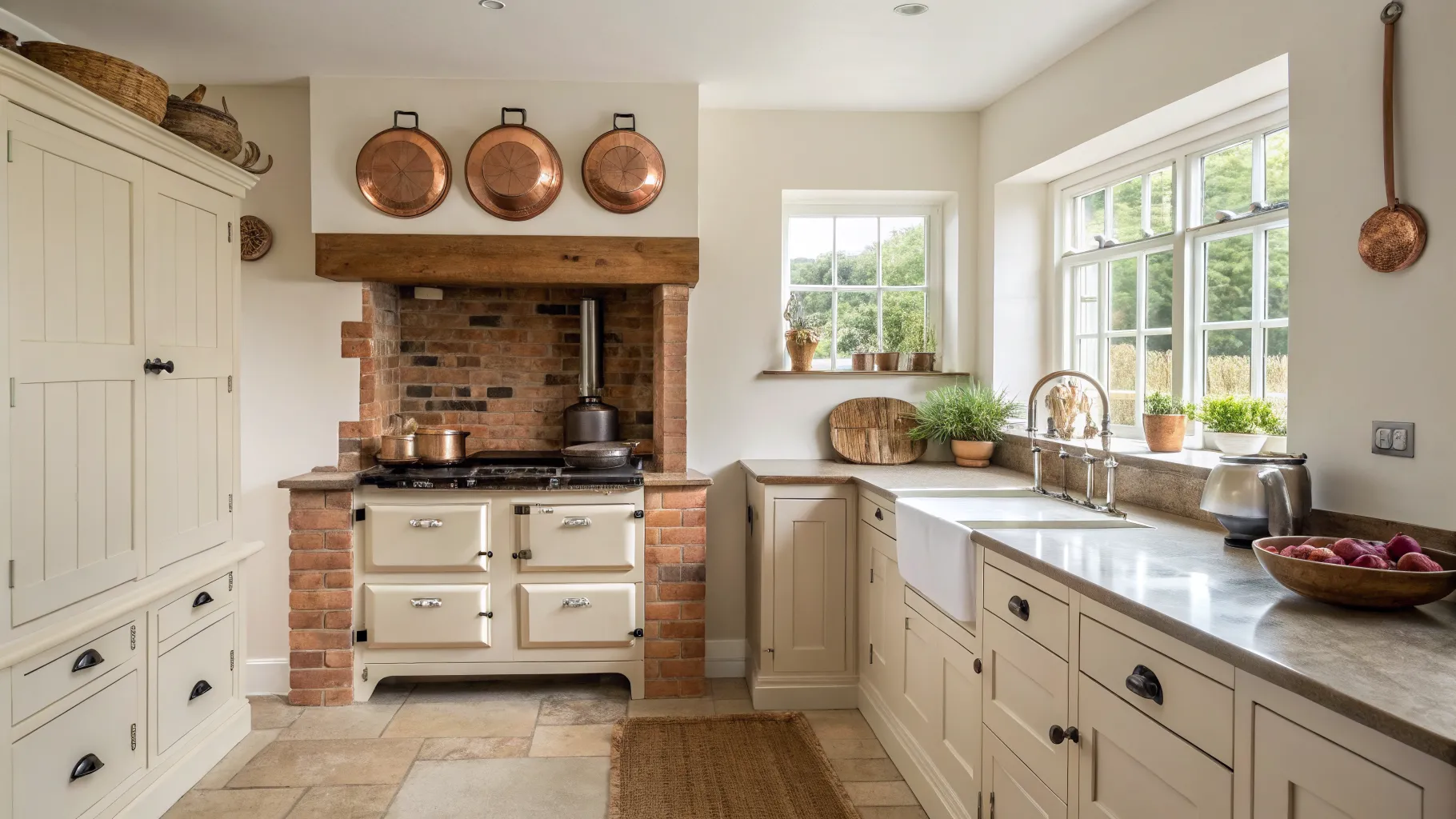
White and grey remain the most popular shaker kitchen colours, and for good reason: they are light, flexible and easy to live with. A grey shaker kitchen reads as calm and contemporary; a cream shaker kitchen leans into the country-cottage warmth that suits older houses.
What has changed is the appetite for colour. The strongest trends in 2026 are:
- Muted greens such as sage, olive and soft moss, which are fast becoming the new neutral.
- Deep, moody tones like navy, forest green and charcoal, understated rather than loud.
- Two-tone schemes, often a darker colour on the island or base units with a lighter shade on the wall cabinets. Sage with warm grey, navy with light stone, and deep blue with natural oak are all popular pairings.
Paint specialists like Farrow & Ball publish the exact shades behind a lot of these schemes, which is useful if you want to match a colour you have seen rather than guess from a brochure.
To keep a darker kitchen from feeling heavy, the usual moves are wood and stone: an oak shelf, a timber or stone-effect worktop, and under-cabinet lighting to lift the room.
What drives the cost of a shaker kitchen
There is no single price, because a shaker kitchen spans flat-pack ranges all the way to bespoke hand-painted cabinetry. The factors that move the figure most are:
- Construction. Painted MDF is the affordable middle; solid timber and bespoke joinery cost considerably more.
- The size and layout. More units, an island, and tall larder cabinets all add up.
- Worktops. Laminate, solid wood, quartz and natural stone sit at very different price points.
- Fitting. Supply-only is cheaper, but a good fitter is what makes the difference between a kitchen that looks bespoke and one that looks flat-pack.
Get quotes on a like-for-like spec before you compare, because two “shaker kitchen” quotes can describe wildly different builds. DIY Kitchens has a clear breakdown of how shaker door constructions differ, which helps when you are reading the small print.
Pairing it with the rest of the kitchen
A shaker kitchen is a backdrop, so the appliances and sink do a lot of the talking. A range cooker is the classic centrepiece for this style; our range cooker buying guide covers how to choose one and what size suits your space. A Belfast sink is the other natural fit, reinforcing the country-kitchen look without fighting the cabinets for attention.
Buying tips before you commit
Order a couple of sample doors in your shortlisted colours and live with them for a week in your own light, because kitchen showrooms are lit to flatter. Check the carcass quality, not just the door, since that is what carries the weight over twenty years. And be honest about maintenance: if you will not re-oil solid timber around the sink, choose painted MDF and save yourself the grief.
Frequently asked questions
What is a shaker kitchen? A shaker kitchen is one fitted with shaker-style doors, defined by a flat recessed centre panel inside a five-piece frame, with no ornate moulding. The look is deliberately simple, which is why it suits both period and modern British homes and has stayed popular for decades.
Are shaker kitchen doors painted MDF or solid wood? Most are painted MDF or an MDF panel within a timber frame, which resists movement and copes well with kitchen humidity. Solid wood doors are available, usually as a bespoke higher-cost option, and need more maintenance around damp areas like the sink.
What is the most popular shaker kitchen colour? White and grey remain the most popular, as they are light and easy to live with. Cream gives a warmer country feel, while muted greens, navy and two-tone schemes have grown quickly and are among the strongest trends in 2026.
How much does a shaker kitchen cost? There is no fixed price, because shaker kitchens range from flat-pack to fully bespoke. Cost is driven mainly by the door construction, the size and layout, the worktop material and the fitting. Get like-for-like quotes before comparing.
Is a shaker kitchen a good choice for a small kitchen? Yes. The clean lines suit small rooms well, especially in lighter colours that bounce daylight around. Pairing pale shaker units with open shelving and good lighting keeps a small kitchen feeling open rather than boxed in.