Buying Guides
Cooker Hob: Gas Is Cheaper Until You Count £106 a Year

By the Hill & May team
Updated 2026
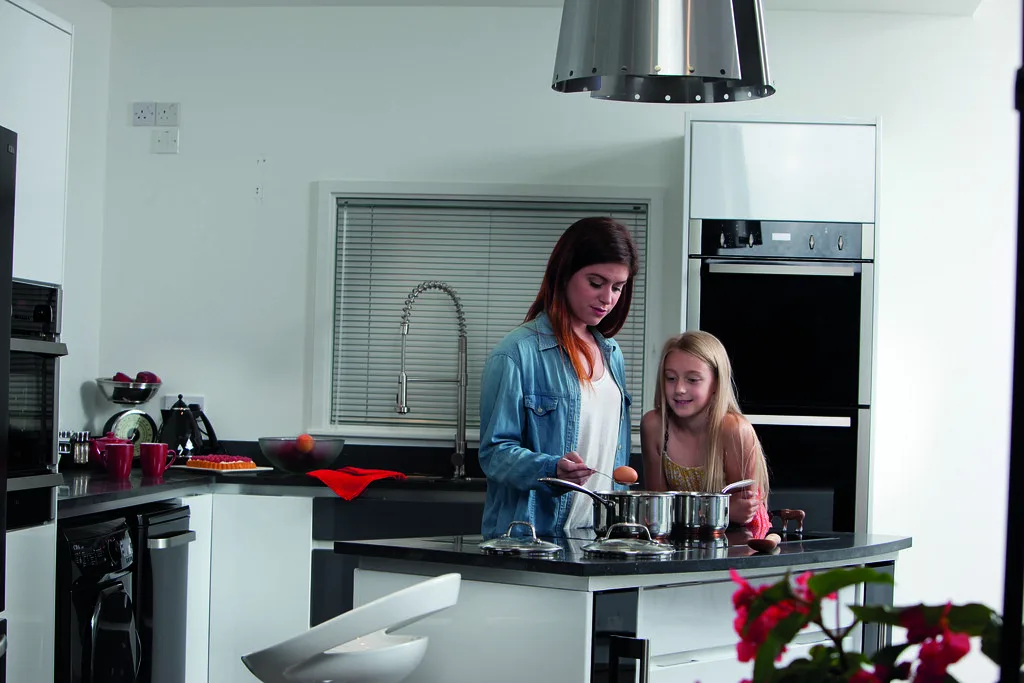
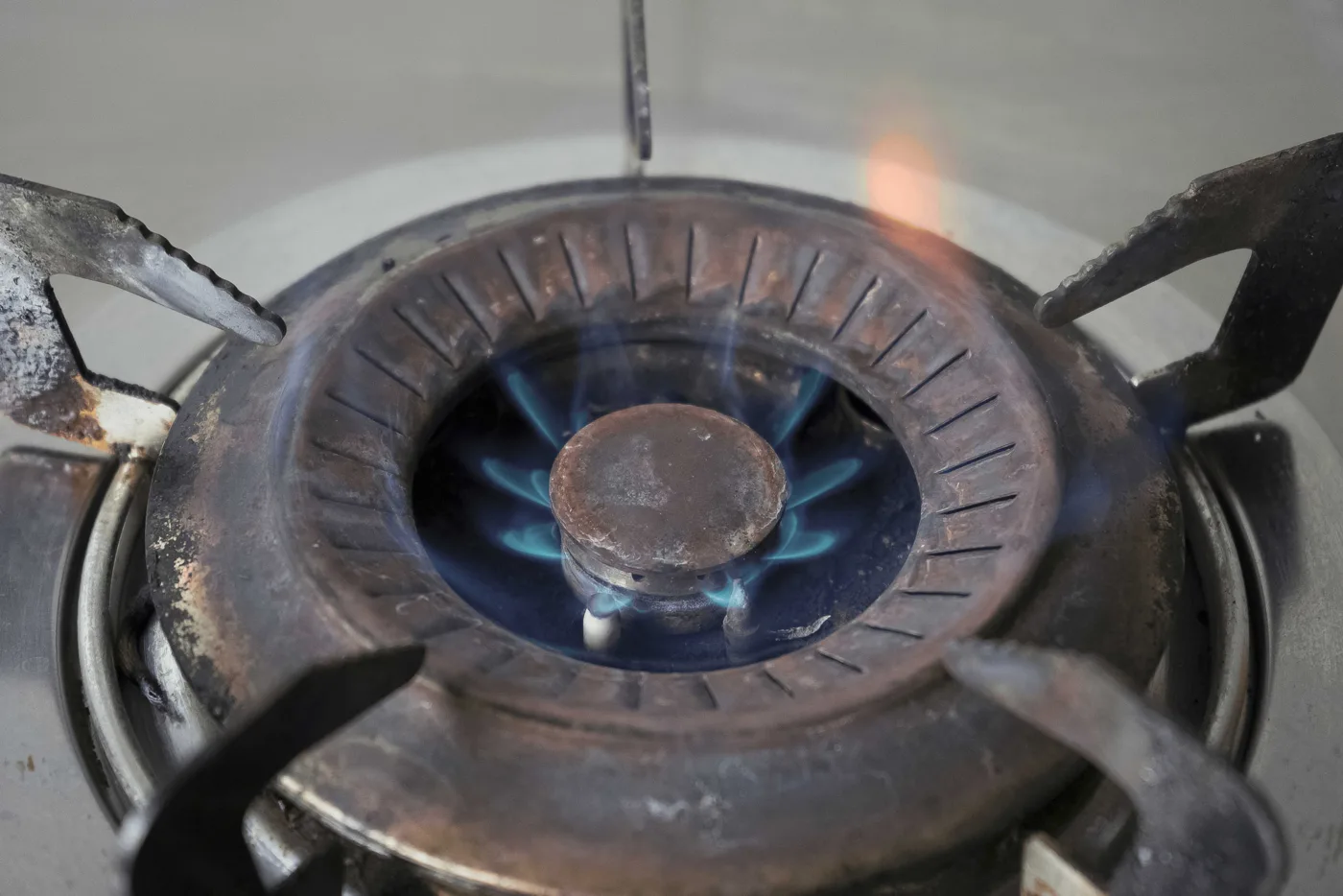
Choosing a cooker hob usually comes down to a claim you have read a hundred times: induction is far more efficient, therefore induction is cheaper. The first half is true. The second half is not, and at the price cap in force this summer it is not even close. A gas burner meeting nothing more than the legal minimum efficiency costs 1.98p to boil a pan that costs 4.55p on induction.
Then you notice that keeping a gas supply connected costs £106 a year before you cook anything, and the answer flips again. This page does the arithmetic properly for a British kitchen, with the rates and the regulations both cited, because the cost question and the cooking question have different answers and most comparisons collapse them into one.
What the law actually measures, and why nobody gives you a like-for-like number
Start here, because it explains why every article on this subject is vague.
Hobs sold in Britain are governed by Commission Regulation (EU) No 66/2014, retained in UK law. Its Table 2 sets the performance floors, and they are on two completely different scales:
| Electric hob (EC electric hob, Wh/kg) | Gas hob (EE gas hob, %) | |
|---|---|---|
| From 1 year after entry into force | under 210 | above 53 |
| From 3 years | under 200 | above 54 |
| From 5 years | under 195 | above 55 |
An electric hob is rated in watt-hours per kilogram of water heated. A gas hob is rated as a percentage efficiency, calculated in the regulation as the energy content of the gas consumed divided by the “theoretic minimum required energy for the corresponding prescribed heating”. The Annex II definitions confirm the two are measured under different standards, and mixed gas-and-electric hobs are explicitly “treated in the measurements as two separate appliances”.
So the law will not tell you which is more efficient. There is no published conversion, and the British Standard defining the electric test is not free to read. What you can do, and what nobody seems to bother doing, is take the legal floor for gas, take a measured figure for induction, and price both at the cap.
For induction, the most useful measured number comes from the Residential Cooktop Performance and Energy Comparison Study published in 2019, which tested induction at 85% energy transfer to the pan. The US Department of Energy has used a similar figure. Traditional radiant electric comes in around 74%.
One thing to note before the sums: the “gas hobs are only 40% efficient” line that circulates online is an American measurement on an American test. A gas hob legally sold in Britain has to clear 55% on the European method. Using 40% flatters induction by a third.
The cost, worked
Boiling 1.5 litres of water from 15°C to 100°C needs 0.148 kWh of energy actually delivered into the water. That is physics and it does not care what heats the pan.
At the Ofgem price cap for 1 July to 30 September 2026, the national average direct debit rates are 26.11p per kWh for electricity and 7.33p per kWh for gas, both including VAT.
| Hob | Efficiency used | Energy drawn | Cost per boil |
|---|---|---|---|
| Gas | 55% (UK legal minimum) | 0.270 kWh | 1.98p |
| Induction | 85% (measured) | 0.174 kWh | 4.55p |
| Radiant electric | 74% | 0.200 kWh | 5.23p |
Induction costs 2.3 times what gas costs for the same job. Efficiency does not rescue electricity here because electricity is 3.6 times the price of gas per kilowatt hour, and no hob can be 3.6 times more efficient than one that is already 55%.
That is the calculation that stops in most articles. It should not.
The £106 nobody puts in the table
Gas has a standing charge. Under the same cap it is 29.04p a day, which is £106.00 a year, payable whether you cook or not.
If you heat your home and your water with gas, that charge is already being paid and the hob comparison above stands: gas is genuinely cheaper to cook on. If your heating is a heat pump, or your boiler is going, or you are building, then the hob may be the only reason a gas meter is still there. In that case the sum is entirely different.
Take a household doing the equivalent of four of those pan-boils a day, which is 216.5 kWh of heat into food across a year. Gas costs £28.85 of units; induction costs £66.49. Gas is £37.64 a year better on units.
Against that, the gas standing charge is £106.00. Cutting the gas supply entirely saves you £68.35 a year net.
Turn it round and you get the break-even: for a gas hob to earn back its own standing charge, you would have to run it at about 11.3 pan-boils a day, every day. Almost no domestic kitchen does that. This is the number that should decide the question for anyone whose heating is going electric, and it is the number that never appears.
Two honest caveats. The cap changes every quarter, and gas has been the cheaper unit for a long time but the ratio moves. And if you are on gas heating anyway, none of the standing charge is attributable to the hob, so gas wins on cost, full stop.
Cost is not the only axis
If money settled it, this page would end here. It does not.
Speed. Induction wins outright and it is not marginal. Boosting a large zone will bring a pan of water up faster than any domestic gas burner, and the response when you turn it down is immediate. If you have cooked on gas for thirty years, the first fortnight on induction feels twitchy for exactly this reason.
Control at the bottom of the range. This is where induction used to lose and now mostly does not. Cheap induction cycles the power on and off at low settings, so a gentle simmer pulses. Better hobs modulate rather than cycle. If you make custards and reductions, this is the specification to interrogate, and it is rarely on the spec sheet: ask the showroom to run a low setting for five minutes and watch.
Pans. Induction only works with ferrous cookware. A fridge magnet on the base is the test. Copper, aluminium and most older stainless will not work, and the cost of replacing a good pan set is real. Cast iron works beautifully but will mark a glass top if dragged.
Power draw and wiring. A full-size induction hob is a serious electrical load. Most need a dedicated circuit rather than a plug, typically 32A, and many are supplied with a power-management setting that caps total draw so they can be installed on an existing cooker circuit. Installing a new circuit in a dwelling is notifiable work under Part P of the Building Regulations in England and Wales, which means either a registered electrician self-certifying or a building control application. Budget for it. A gas hob, equally, must be connected by a Gas Safe registered engineer; that is a legal requirement, not a recommendation.
Ventilation. Any hob needs extraction, and the building regulations set the rate: 30 litres a second where the extractor is adjacent to the hob, 60 litres a second elsewhere in the kitchen. Gas adds combustion products to the room, which is a genuine indoor air quality argument for extracting properly rather than a reason to panic. Our cooker hood buying guide and the extractor size calculator size it correctly.
Power cuts. A gas hob with a match still cooks. An induction hob does not. In rural Britain this is a real consideration and it is the honest reason a lot of country kitchens stay dual fuel.
Where this leaves a range cooker
Most of the traffic on this question is about a 60cm hob, but the same logic runs through the range cooker decision and lands somewhere slightly different.
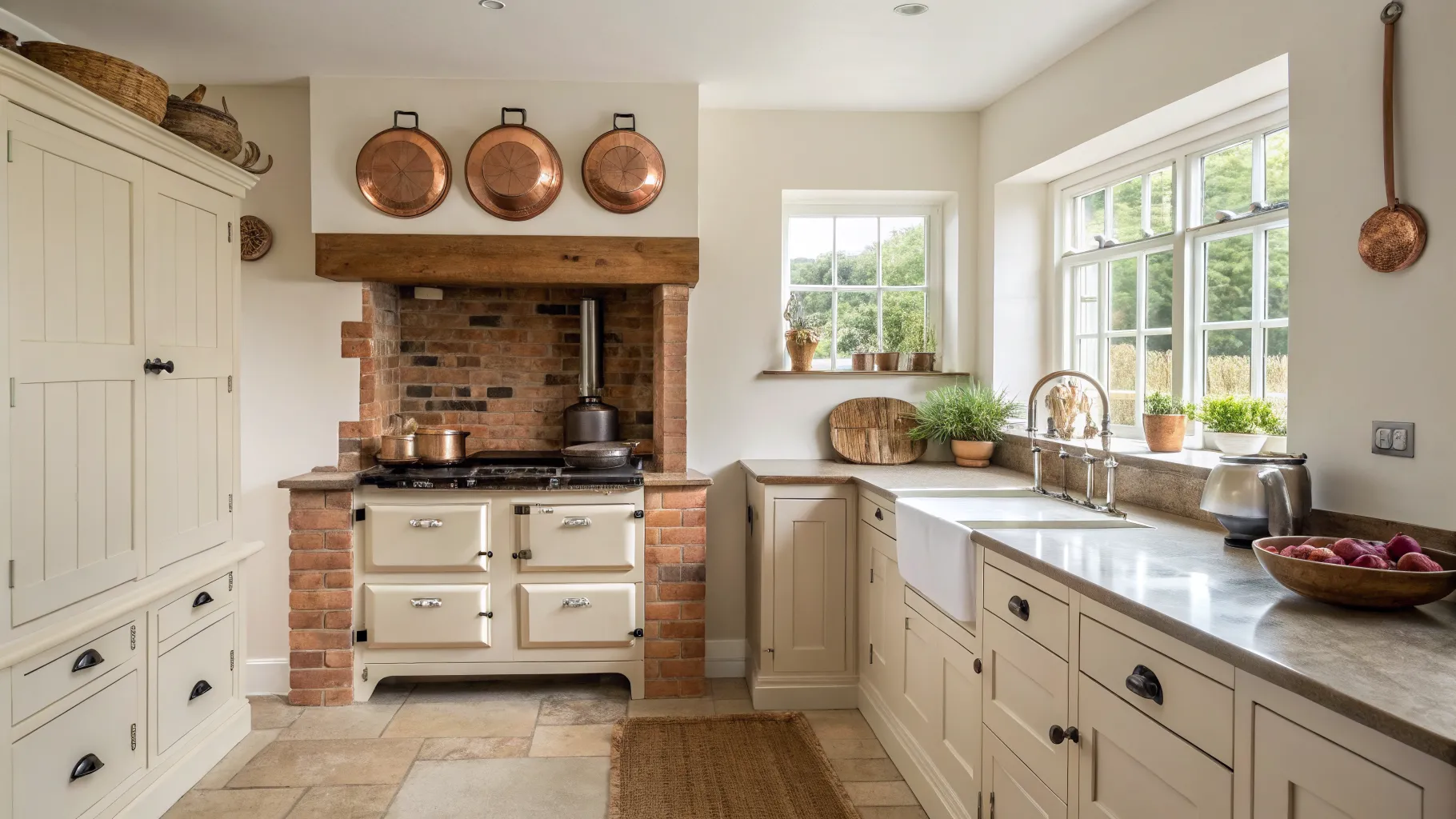
Dual fuel puts gas burners over an electric oven, and it remains the default in traditional kitchens for a simple reason: the electric oven is the better oven and the gas hob is the familiar hob. If the house has gas anyway, dual fuel is very hard to argue against. See dual fuel range cookers.
Induction range cookers have improved sharply and now make sense for anyone going all-electric or building new. The wiring load is the thing to check first, since a 110cm induction range is a substantial draw. Details in the induction range cooker guide.
All-gas ranges are still made and still good, and the gas cooker buying guide covers them, as the electric cooker buying guide does the other side. If you are off the mains, LPG is its own calculation with its own price, which is not capped by Ofgem.
For the wider decision, the range cooker buying guide is the place to start, and best range cookers 2026 covers the current models.
So which should you buy
You have gas central heating and you like cooking on flame. Keep gas, or go dual fuel. It is cheaper to run and the standing charge is not the hob’s fault.
You are on a heat pump, going all-electric, or the hob is your last gas appliance. Induction, and cancel the gas. £68 a year net, plus you stop paying to keep a meter alive for one appliance.
You are on a tight budget and cook modestly. Radiant electric ceramic is the cheapest to buy and install, costs a little more to run than induction, and works with every pan you own.
You are building or extending. Induction, on a properly sized circuit designed in from the start rather than retrofitted.
Frequently asked questions
Is an induction cooker hob cheaper to run than gas? Not at the current price cap. Boiling 1.5 litres costs about 1.98p on a gas burner at the 55% legal minimum efficiency and about 4.55p on induction at a measured 85%, because electricity costs 3.6 times as much per kilowatt hour as gas. Induction is more efficient and still more expensive to run.
So why would anyone fit induction? Because efficiency is only one line in the sum. If the hob is the only reason you keep a gas supply, the £106 a year standing charge outweighs the roughly £38 a year that gas saves on units for typical use, leaving you £68 a year better off all-electric. Induction is also faster, safer around children, far easier to clean and does not put combustion products into the kitchen.
How efficient is a gas hob in the UK? By law, above 55%. Retained Regulation (EU) 66/2014 sets a minimum EE gas hob of 53% rising to 55%, so any hob legally on sale in Britain clears that. The widely quoted 40% figure comes from American testing on a different method.
Do I need special pans for an induction hob? Yes. The base must be magnetic. Hold a fridge magnet to it: if it sticks firmly, the pan will work. Cast iron and most modern stainless steel are fine, and aluminium, copper and some older stainless are not.
Does an induction hob need its own circuit? Usually. A full-size induction hob typically needs a dedicated 32A cooker circuit rather than a 13A plug, and installing a new circuit is notifiable work under Part P of the Building Regulations in England and Wales. Many hobs offer a power-limiting mode that lets them share an existing cooker circuit, so check the installation manual before assuming rewiring is needed.
Is a gas hob being banned in the UK? No. Policy on new-build gas connections has moved against gas heating, but there is no ban on selling or fitting gas hobs in existing homes, and gas hobs must still be installed by a Gas Safe registered engineer.
Which is best for simmering? A good induction hob, and a cheap one is the worst of the three. Low-end induction pulses the power on and off at low settings, so a delicate sauce sees a cycling heat rather than a steady one. Better hobs modulate the output instead. Gas is predictable at low settings but wastes most of the heat around the pan.
What about radiant electric ceramic? It is the cheapest to buy, works with any pan, and sits between the other two on running cost at about 5.23p for that same 1.5-litre boil. It is slow to respond, which is the reason most people who can afford induction choose it.