Buying Guides
Ex-Display Kitchen: How to Buy One and What to Check

By the Hill & May team
Updated 2026
Ex-Display Kitchen: How to Buy One and What to Check
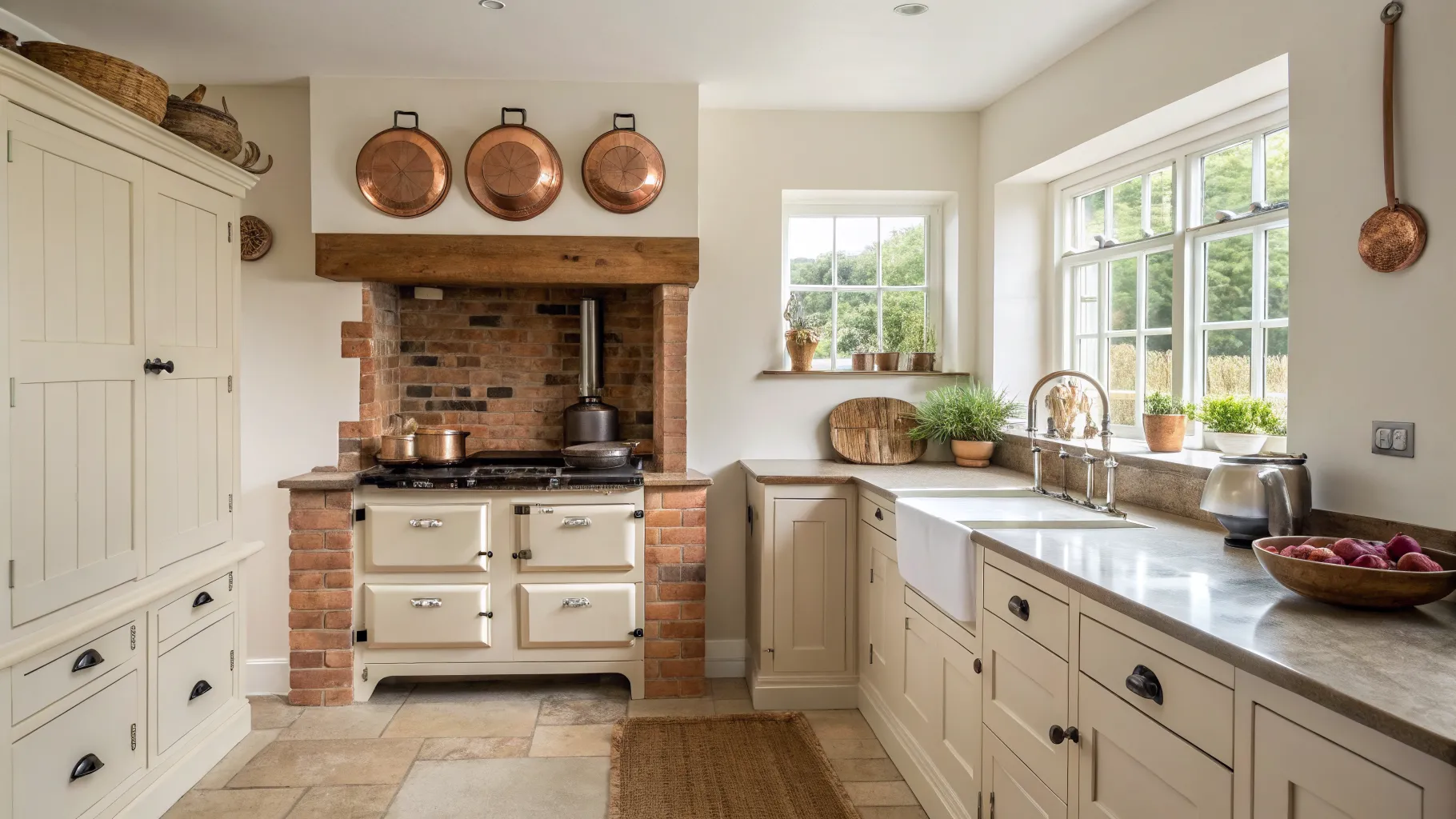
Buying an ex-display kitchen is the single most effective way to put a designer or premium kitchen into a British home for a fraction of the retail figure. These are the showroom kitchens that retailers and independent studios take down to make room for a new display, and because they have been seen rather than used, they typically sell for anywhere from 40 to 70 percent off the original price depending on brand, condition and how long they were on show. For a country kitchen built around a range cooker, that saving can be the difference between a mid-range fit-out and a hand-painted Shaker kitchen you would otherwise never stretch to.
The catch is that an ex-display kitchen is sold as a fixed set, in someone else’s dimensions, often without the appliances you assume are included. Get the checks right and it is one of the best deals in home renovation. Get them wrong and you own a beautiful kitchen that does not fit your room. This guide walks through where to find them, exactly what to inspect, and the mistakes that catch people out.
What “ex-display” actually means
An ex-display kitchen has been assembled and shown in a showroom, not cooked in. That matters because it changes the type of wear you are looking for. Showroom kitchens pick up cosmetic marks on doors, drawers and hinges from being opened and closed by browsers, but the working parts, the ovens, hobs and taps, have often never run in earnest, and in many displays the appliances are dummies or were never plumbed in at all. So you are usually buying near-perfect cabinetry with light handling marks, plus appliances whose real history you need to pin down separately.
This is different from a genuine second-hand kitchen, which has lived in a home and been used daily. Both can be great value, but the questions you ask are not identical.
Where to find ex-display kitchens in the UK
There are three main routes:
- Specialist marketplaces. Sites such as the Used Kitchen Company, Rehome and the Ex-Display Marketplace list ex-display and used kitchens from studios and homeowners across the country, with photographs, unit lists and dimensions. They are the easiest place to compare like for like.
- Direct from showrooms and independent kitchen studios. Local independent studios refresh their displays regularly and will often sell the outgoing one. Building a relationship with a nearby studio can get you first refusal before it is even advertised.
- Order cancellations and clearance. Some retailers also sell cancelled orders and clearance kitchens, which are brand new but surplus, so worth asking about alongside ex-display stock.
Consumer body Which? has a useful independent overview of buying a second-hand kitchen that is worth reading before you commit.
The checks that matter
Will it actually fit?
This is the make-or-break. An ex-display kitchen is a set of specific cabinets in a specific configuration, and you cannot simply order the extra corner unit you are missing. Measure your room properly and count exactly what the listing includes: how many base units, wall units, tall or larder units, and drawer packs. Then map that against your space before you fall in love with the photos. A kitchen that is close but not quite right can often be adapted by a good fitter, but that adds cost, so factor it in.
What is actually included?
Never assume. Ask the seller in writing whether the price includes the worktops, the sink and tap, and crucially the appliances. Many ex-display listings show a full kitchen but sell the cabinetry and worktops only, with appliances priced separately or not available at all. If you are building around a range cooker, confirm whether the display’s cooker is part of the deal or just staging.
Condition, honestly assessed
Go over doors, drawer fronts and worktops for scratches, dents, chips and colour fade, especially on painted finishes that have sat under showroom spotlights. Open and close drawers and doors to feel the hinges and runners. Minor marks are normal and reflected in the price; deep damage to a door you cannot easily replace is a reason to negotiate hard or walk away.
Appliances and warranties
Treat the appliances as a separate purchase with their own history. Appliance guarantees are almost never bundled with the kitchen furniture, and manufacturer warranties often started from the original purchase date, not from when you buy. Get the model numbers, check the reviews and specifications yourself, and confirm whether anything is still under cover. A dummy display appliance is worth nothing, so know which you are getting.
Removal, delivery and installation
Find out who is responsible for taking the kitchen down and moving it. Some sellers offer professional dismantling and delivery; others expect you to arrange collection, which for a full kitchen is a serious undertaking. Ex-display kitchens should be professionally removed to avoid damaging units, and professional installation at your end is strongly advisable, particularly for solid worktops and any gas or electrical work, which must be done by a qualified installer.
Is an ex-display kitchen worth it?
For most buyers, yes, provided the dimensions work and you have priced the whole job, not just the sticker. The saving on the cabinetry and worktops is real and large, but budget realistically for a fitter to adapt and install it, for any missing units or end panels, and for appliances if they are not part of the deal. Do that and an ex-display kitchen delivers a quality of finish, often a premium painted or in-frame kitchen, that would be out of reach at full price. For the wider cost picture, see our kitchen renovation cost guide.
Frequently asked questions
How much can you save on an ex-display kitchen? Typically 40 to 70 percent off the original retail price, depending on the brand, the condition, and how long it sat on display. The premium and designer kitchens tend to show the biggest cash savings, which is why an ex-display route can put a high-end painted or in-frame kitchen within reach of a mid-range budget.
Are the appliances included with an ex-display kitchen? Not always, and you should never assume they are. Many listings sell the cabinetry and worktops only, with appliances priced separately or excluded. Some display appliances are dummies. Always confirm in writing what is included, and treat any real appliances as a separate purchase with their own warranty status.
What is the difference between ex-display and second-hand kitchens? An ex-display kitchen was shown in a showroom and lightly handled but not cooked in, so the cabinetry is usually near-perfect with cosmetic marks. A second-hand kitchen has been used in a home. Both offer big savings, but a used kitchen carries genuine wear, so inspect the working parts and worktops more closely.
Will an ex-display kitchen fit my room? Only if the unit configuration matches your space, and that is the biggest risk. These kitchens are sold as fixed sets, so you cannot easily add or subtract cabinets. Measure carefully, count every unit in the listing, and plan the layout before buying. A skilled fitter can adapt a near-fit, but that adds to the cost.
Do I need a professional to install an ex-display kitchen? It is strongly advisable. Dismantling and refitting a kitchen without damaging units, worktops and fixings is skilled work, and any gas or electrical connections must legally be carried out by a qualified engineer. Professional installation protects the value of the saving you have just made rather than risking damage to it.